|
I am an end-to-end ML engineer at LG CNS AgenticAI Platform Business Team — I self-learn whatever a problem needs and carry models from design and training through evaluation, serving, and operation. At LG CNS I've worked across LLM services from PoC planning to production, including a real-time LLM-as-a-judge evaluation batch service deployed in a financial client's production network. Previously, I graduated with a Master's degree from Brain and Machine Intelligence Lab (BML) at KAIST, advised by Sang Wan Lee, where I ran event-cognition research end to end — from hypothesis to a Human-AI experiment platform and deep-learning models. Before KAIST, I completed a recommender system track at Naver Boostcamp AI Tech (3rd cohort). I received my B.S. in Electrical and Electronic Engineering (minor in Psychology) from Yonsei University, where I also worked as an undergraduate research assistant in Computational Clinical Science Lab (SNU, advised by Woo-Young Ahn) and led the cognitive science study club CogSci::IN.
CV / Github / Email / 전공 소개 슬라이드 / 포트폴리오 Skills & Tools
English Proficiency
|
|
LG CNS AgenticAI Platform Business Team | AI Engineer (2025.07 ~ present)PoC development to service planning, working on AI systems from a production perspective. Shinhan Card — AI Agent Evaluation Automation (AutoEval, real-time LLM-as-a-judge batch service): sole design & implementation, jointly planned with Shinhan Card's product planner.
Other responsibilities:
|
|
I'm interested in building AI systems that model and analyze complex sequential processes, with a focus on how humans structure predictions and plans into meaningful units. My research combines cognitive science theory with deep learning model design, and I value building complete experimental systems — from platform development to human experiments to computational model validation. |
Event Unit Prediction Research (23.07~24.12)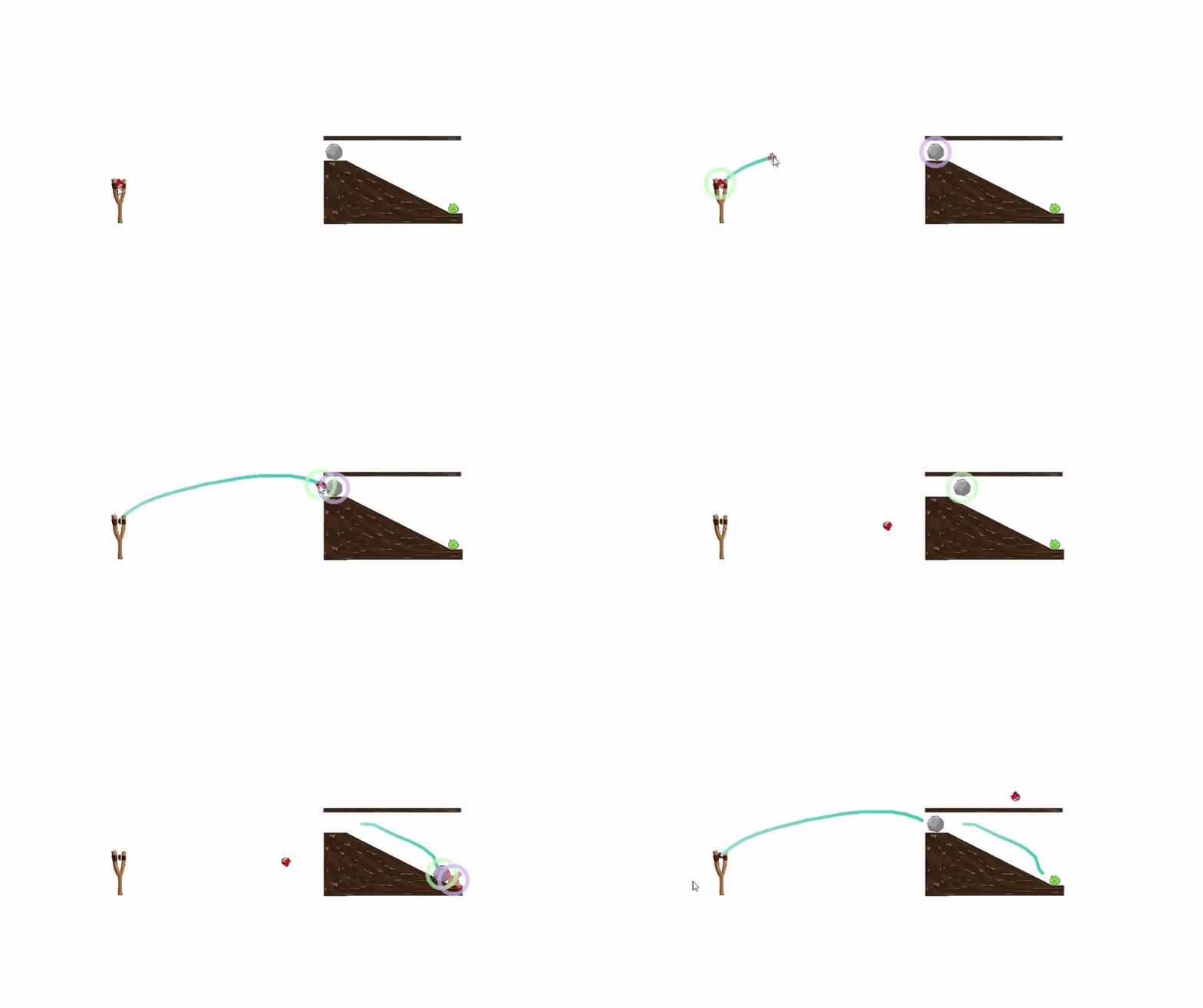
Human Experiment Platform: Built a Unity WebGL-based interactive experiment platform to collect human prediction data. Integrated Google Firebase for real-time data storage and analysis. Designed tasks where participants predict events in a physics-based environment (Angry Birds). Check online experiment link to conduct it by yourself! 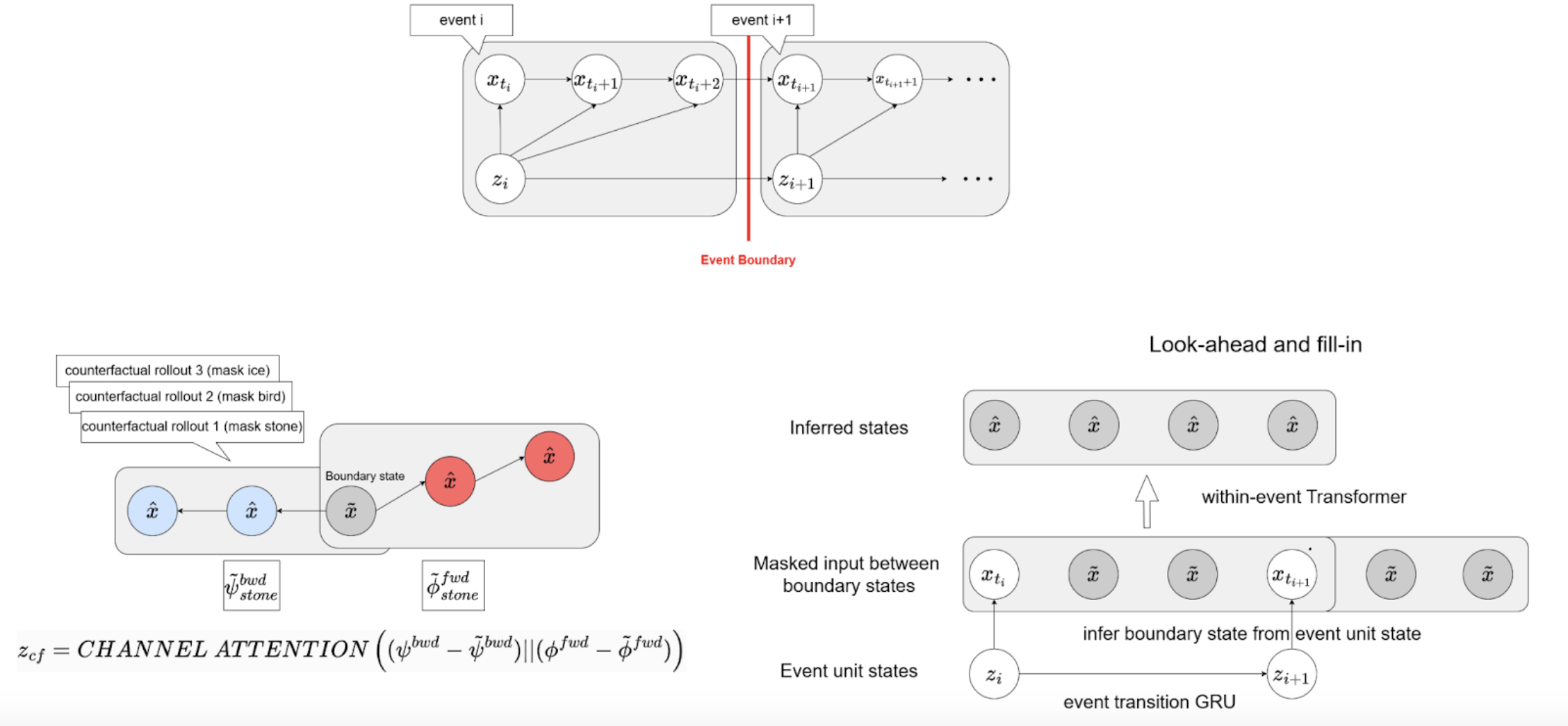
Hierarchical Video Prediction Model: A model that predicts future frames in a video by learning hierarchical structures. Designed a temporal abastraction model that incorporates causal inference & event-based representation. Demonstrated AI’s ability to simulate human-like event anticipation. |
Stable Predictive Coding Network Research (24.01~)
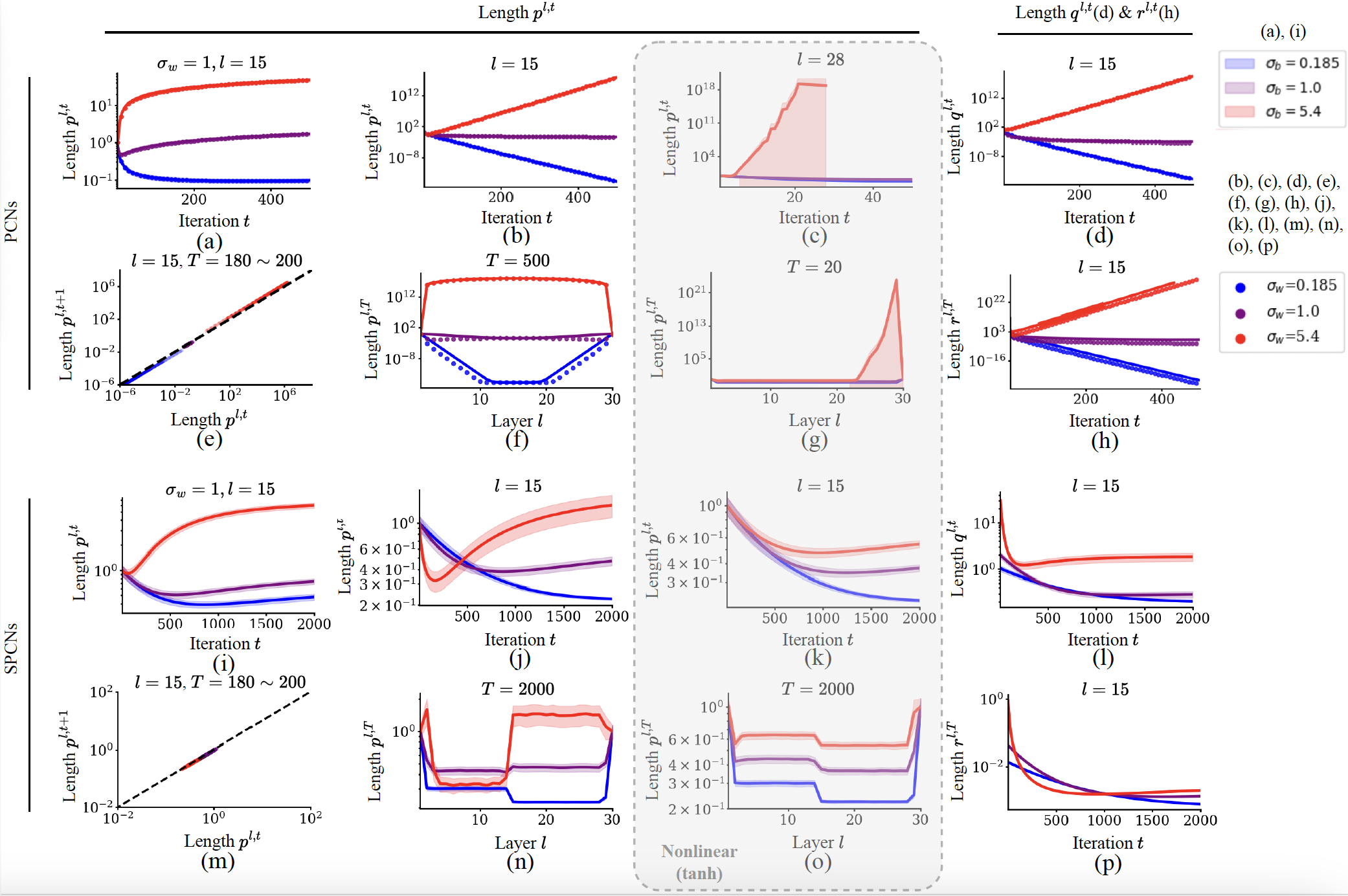
SPCN: Investigated stability issues in Predictive Coding Networks (PCN) and proposed a novel Stable Predictive Coding Network (SPCN). Conducted experiments to analyze instability factors in PCN, identifying key failure points. Designed a new architecture that stabilizes learning in PCN (SPCN), and showed improved performance in various tasks. Contributed to the project by implementing models, running experiments, and modularizing the codebase for team-wide use. |
Computational Clinical Science Lab, SNU — Undergraduate Research Assistant (20.08~22.01)Interpreted fMRI data through cognitive models to ground psychiatric diagnosis in brain data and explain its origins in terms of cognitive mechanisms. Carried out a statistical validation project based on cognitive and Bayesian modeling, and later contributed to package development for that component. Ran the full pipeline of an fMRI study, from experiment design through data analysis. |
|
Jo, Y., Lee, S. W. (2025). Designing a Platform and Algorithm for Event-Cognitive Unit Prediction Experiments. Patent pending. Ha, M., Kim, H., Sung, Y., Jo, Y., Kang, M., Lee, S. (2026). Stable and Scalable Deep Predictive Coding Networks with Meta Prediction Errors. International Conference on Learning Representation (ICLR). (accepted) |
Multimodal Manual RAG — Diagram-Grounded Manual QA (26.04~26.07)A 12-week individual project on documents whose answers live in diagrams rather than body text — home-appliance manuals — grown in stages from text RAG to cross-modal retrieval to a multimodal agent.
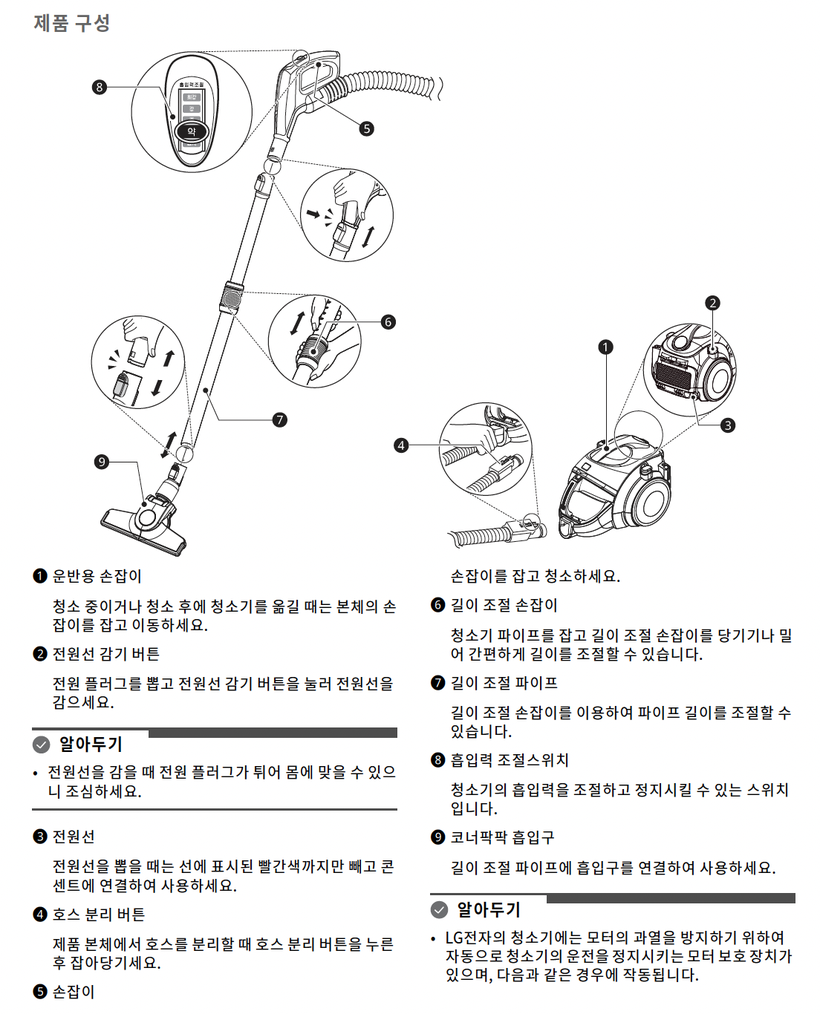 The body text lists only what part ⑧ does — "a switch that adjusts and stops suction."
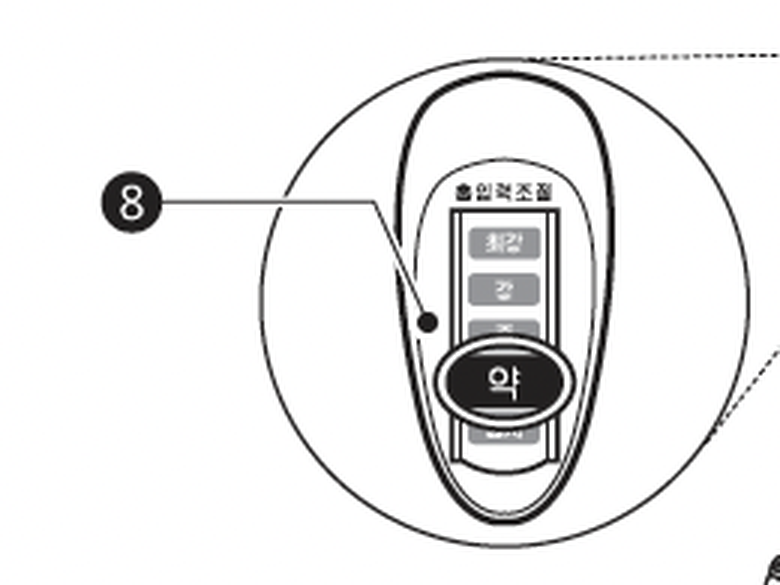 Where it sits — on top of the hose grip — exists only at the end of a leader line in the diagram.
"Where is the suction control switch?" is answerable only from the figure. Text-only retrieval refused; whole-page captioning got it partially; region-level captioning answered it. Figure from LG Electronics' public product manual (K83), used here to illustrate the problem. Agentic AI Knowledge Graph Explorer (25.11~26.02)A knowledge exploration system that tracks the co-evolution of AI research (papers) and services (frameworks) in the Agentic AI domain, built with LangGraph + Neo4j + ChromaDB.
User Query
LangGraph Pipeline
Intent Classifier
→
Search Planner
→
Graph Retriever
→
Synthesizer
Web Expander
Critic Agent
Neo4j Knowledge Graph
(Principles ↔ Methods ↔ Implementations ↔ Standards)  Main UI
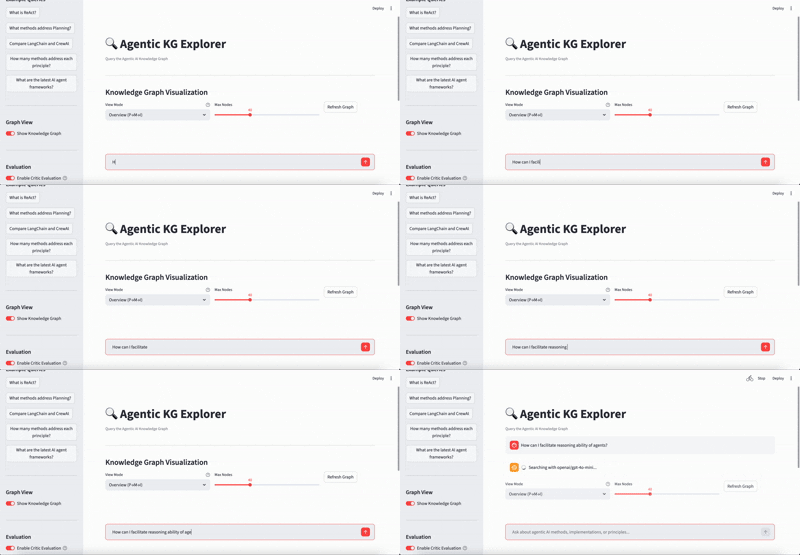 Graph Visualization Settings
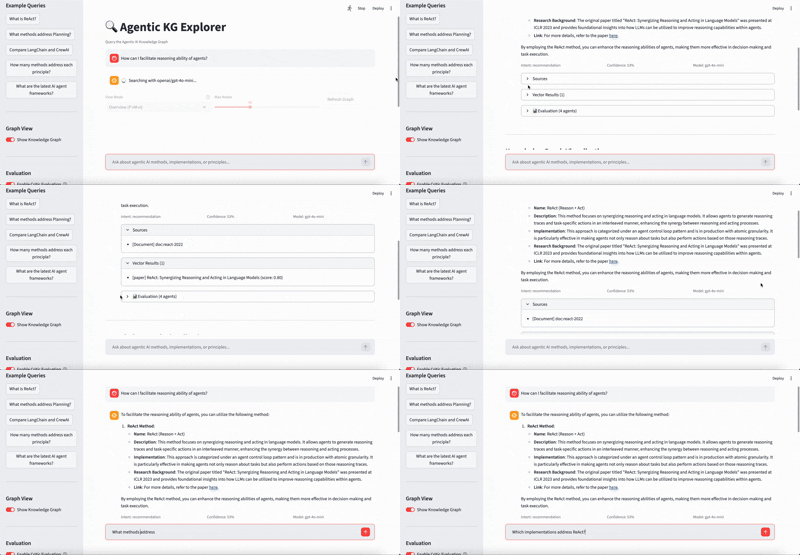 Query Processing
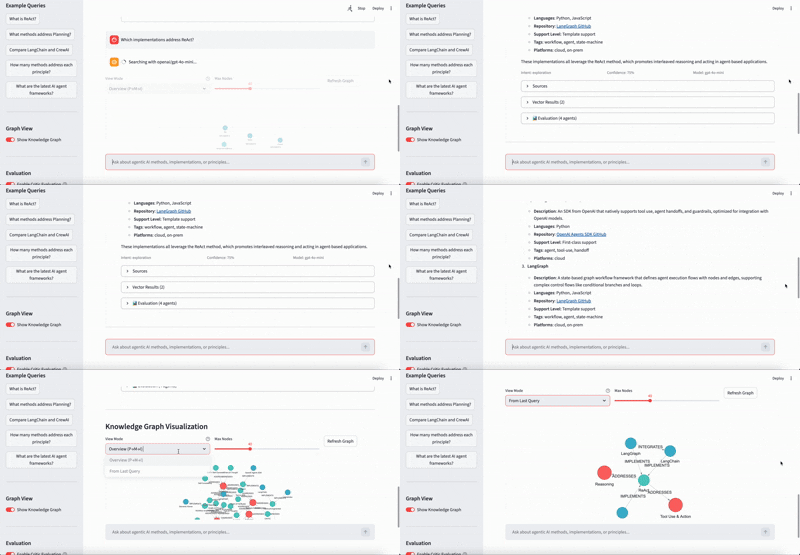 Results with Graph
GitHub: https://github.com/hawe66/agentic-kg-explorer Modulabs LLM Study — From Theory to Agent Development (25.05~26.02)Participated in a year-long LLM study across three sessions at Modulabs:
Session 1 — LLM Paper Reading (25.05~25.07):
Session 2 — SLM Fine-tuning (25.07~25.09):
Session 3 — LangChain/LangGraph Agent Development (25.09~26.02): Github Repository Recommendation Service (22.05~22.06)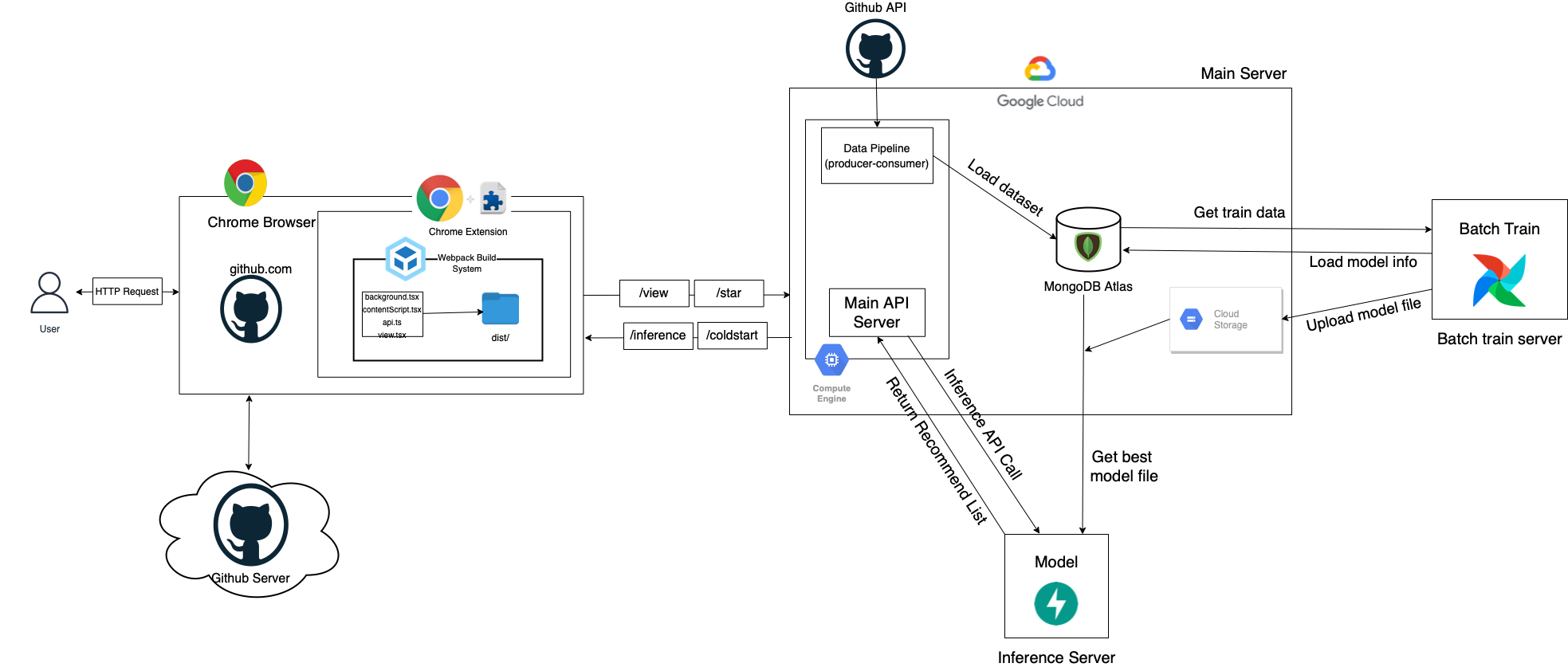
Built a personalized recommendation engine for GitHub repositories as the final project of Naver Boostcamp AI Tech (Recommender System track).
GitHub: https://github.com/boostcampaitech3/final-project-level3-recsys-04 |
|
Source code from jonbarron |